
How to Effectively Sabotage Your Couples Therapy
Couples therapy can be expensive, inconvenient, and occasionally uncomfortable, so if you are going to sabotage it, you should at least be efficient.

The Difference Between Couples Therapy and Co-Parenting Counseling After Separation or Divorce
Couples therapy and co-parenting counseling can involve the same two people and many of the same disagreements. The difference is the relationship being treated, and what the work is meant to accomplish.

A Guide to Different Types of Couples Therapy: Approaches, Strengths, and Limitations
Couples therapists can work very differently from one another. A guide to the Gottman Method, EFT, Relational Life Therapy, PACT, cognitive-behavioral approaches and discernment counseling: what each does well and where each has limits.

Weaponizing Couples Therapy: When Therapy Becomes Another Place to Fight
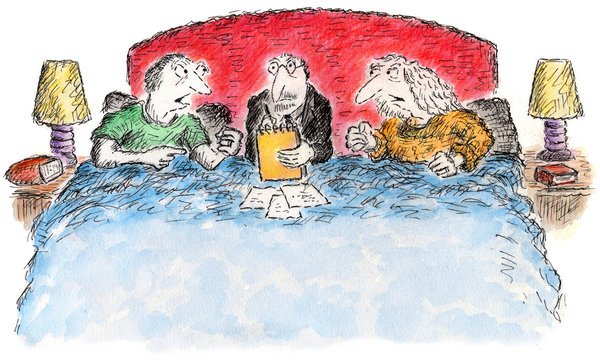
Couples sometimes enter therapy hoping the therapist will confirm what they already believe: my partner is the problem, and I need you to make them understand that.

Why Couples Therapy Requires Specialized Training
Therapist directories often place couples therapy alongside anxiety, depression, grief, trauma, and other areas of practice. The list can make these services appear interchangeable from a training standpoint. They are not.


Discernment Counseling vs. Couples Therapy: Understanding the Difference
Couples therapy usually begins with a basic agreement that can be easy to overlook: both people are willing to see whether the relationship can improve. Discernment counseling is for couples where that agreement is missing.

What to Do When Your Partner Refuses to Go to Couples Therapy
When one person wants couples therapy and the other refuses to go, the disagreement can quickly become part of the larger problem in the relationship. The person asking for therapy may raise the subject repeatedly because the underlying concerns remain unresolved, while repeated requests can increase the other partner’s resistance. Eventually, considerable energy goes into arguing about therapy, even though therapy was originally proposed as a way to address something else.